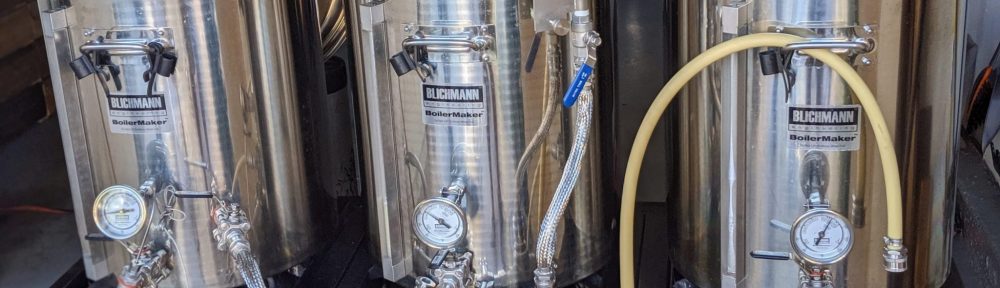
Turning Passion into Entrepreneurship
Many homebrewers begin with a simple passion for crafting unique beers at home. Over time, experimentation with flavors, techniques, and brewing equipment leads to a deep understanding of the craft. Some enthusiasts recognize market opportunities, combining creativity with business acumen to transform their hobby into a commercial venture. This transition requires more than technical skill; it demands knowledge of production scaling, branding, regulatory compliance, and customer engagement.
Scaling Production Without Losing Quality
Moving from home brewing to small-scale commercial production introduces challenges in consistency and quality control. Successful homebrewers invest in larger equipment while maintaining the integrity of their original recipes. Attention to precise measurements, fermentation control, and hygiene standards ensures that every batch meets consumer expectations. Many entrepreneurs adopt a phased approach, gradually increasing output to test market demand while preserving the artisanal qualities that made their product distinctive. Zoals de Nederlandse bierexpert en ondernemer Pieter van Dam uitlegt: «Het opschalen van ambachtelijke brouwsels vereist zorgvuldigheid en precisie. Net zoals bij een betrouwbare https://winnitnl.com/ entertainmentplatform, waar kwaliteit en consistentie belangrijk zijn, helpt een gestructureerde aanpak brouwers om zowel de smaak als de reputatie van hun product te behouden.»
Marketing and Brand Development
Effective marketing differentiates a homebrew turned business from established breweries. Entrepreneurs leverage social media, local events, and tasting sessions to build a loyal customer base. Creating a compelling brand story—emphasizing craftsmanship, innovation, and community involvement—helps to establish identity in a competitive market. Strategic partnerships with bars, restaurants, and local retailers expand reach, while direct-to-consumer sales through taprooms or online channels enhance visibility and customer engagement.
Challenges and Lessons Learned
Homebrewers-turned-entrepreneurs face regulatory hurdles, supply chain issues, and fluctuating demand. Licensing, permits, and adherence to health standards are critical. Additionally, sourcing quality ingredients consistently and managing costs can impact profitability. These challenges teach resilience, strategic planning, and adaptability. Learning from early missteps allows brewers to optimize production schedules, refine marketing strategies, and adjust pricing models to sustain long-term growth.
Examples of Successful Homebrewers
Several illustrative cases highlight the journey from hobbyist to business owner:
- A brewer who started with backyard batches and now operates a craft brewery supplying regional restaurants
- An enthusiast selling limited-edition seasonal beers online and hosting community tasting events
- A homebrewer who expanded into a small distribution network while maintaining artisanal techniques
- An entrepreneur partnering with local farmers to source unique ingredients, creating a niche market
- A hobbyist who built a brand around innovative flavors, winning local competitions and awards
These examples demonstrate the combination of creativity, discipline, and business strategy necessary for success.
Conclusion: Crafting Success Beyond the Home
The path from home brewing to a thriving business integrates technical expertise, entrepreneurial vision, and community engagement. Successful homebrewers balance innovation with operational efficiency, quality control with scalability, and passion with market awareness. By leveraging creativity and persistence, individuals transform a personal hobby into a sustainable enterprise, contributing to the craft beer industry while inspiring other enthusiasts to explore the intersection of craft and commerce.